The shift markets are starting to feel

The Growth Thesis Market Brief
A weekly breakdown of the forces shaping markets — from commodities and capital flows to emerging economic trends.
Markets are reacting.
But they’re not fully understanding what’s happening.
Oil is rising sharply. Equities are slipping. Central banks are hesitating. And yet, beneath the surface, the shift feels less like a temporary shock and more like the early stages of something structural.
Because what’s unfolding isn’t just volatility—it’s the re-emergence of a dynamic markets had largely moved past: energy-driven inflation colliding with already fragile growth.
Energy Is Driving the Narrative Again
The catalyst is clear.
Escalating tensions around Iran have disrupted one of the world’s most critical energy corridors, pushing oil prices significantly higher and reigniting inflation concerns across global markets.
Recent coverage from Reuters and other outlets highlights how quickly sentiment has shifted. Oil has surged past key levels, while gas prices are beginning to feed back into consumer expectations. The Strait of Hormuz—through which a substantial portion of global energy supply flows—has once again become a focal point of risk.
This is where the impact begins.
Energy doesn’t stay contained. It moves outward—into transport, into production, and eventually into prices across the broader economy.
ESG funds won’t touch it.
Governments hate it.
But the world still runs on oil, gas, and copper.
Insider’s entire strategy is based on one simple idea: Invest where capital has fled — but demand hasn’t.
Energy is where the big, contrarian money is made.
Central Banks Are Losing Clarity
Only weeks ago, markets were aligned around a relatively simple narrative: inflation was cooling, and rate cuts were approaching.
That clarity is fading.
Officials at institutions like the Federal Reserve are now signaling caution, as the inflation outlook becomes less predictable. Bond markets are adjusting in real time, with yields rising as expectations for easing are pushed further out.
At the same time, global institutions such as the International Monetary Fund have warned that sustained energy disruptions could simultaneously slow growth and push prices higher—a combination that leaves policymakers with limited options.
The result is hesitation.
Not because central banks lack tools, but because the environment is shifting faster than those tools can be applied with confidence.
Markets Are Beginning to Reprice the Risk
The adjustment is already visible.
Equities have weakened across major indices, while volatility has increased. Capital is rotating more defensively, even if the move hasn’t been uniform or dramatic.
What’s notable is that the pressure isn’t isolated to one asset class. Government bonds—typically the anchor of stability—are also showing signs of strain, as rising yields reflect changing expectations around inflation and policy.
According to recent reporting from Reuters, liquidity conditions in parts of the bond market have become less stable, adding another layer of complexity to an already uncertain environment.
This isn’t a simple selloff.
It’s a broader repricing of assumptions.
The Effects Are Spreading Beyond Markets
The first wave of any shock is visible in prices.
The second wave shows up in behavior.
Consumer sentiment has already begun to decline, reflecting rising costs and growing uncertainty about the economic outlook. Borrowing conditions are tightening, and expectations for global trade and growth are being revised downward.
These shifts don’t happen all at once. They move gradually, feeding into one another.
Higher energy costs lead to higher input prices. That pressure filters into goods, services, and wages. Over time, what begins as a commodity shock becomes a broader economic constraint.
And that’s where persistence comes from.
What Comes Next Depends on Time, Not Headlines
The immediate reaction from markets is understandable.
But the deeper question remains unresolved.
Not whether this is a shock—but whether it lasts.
If energy flows stabilize and tensions ease, the current environment may settle into a familiar pattern of recovery. But if disruptions continue, the implications extend much further.
Inflation may remain elevated. Policy may stay restrictive. Valuations—built on assumptions of stability—may need to adjust.
That’s the uncertainty markets are struggling to process.
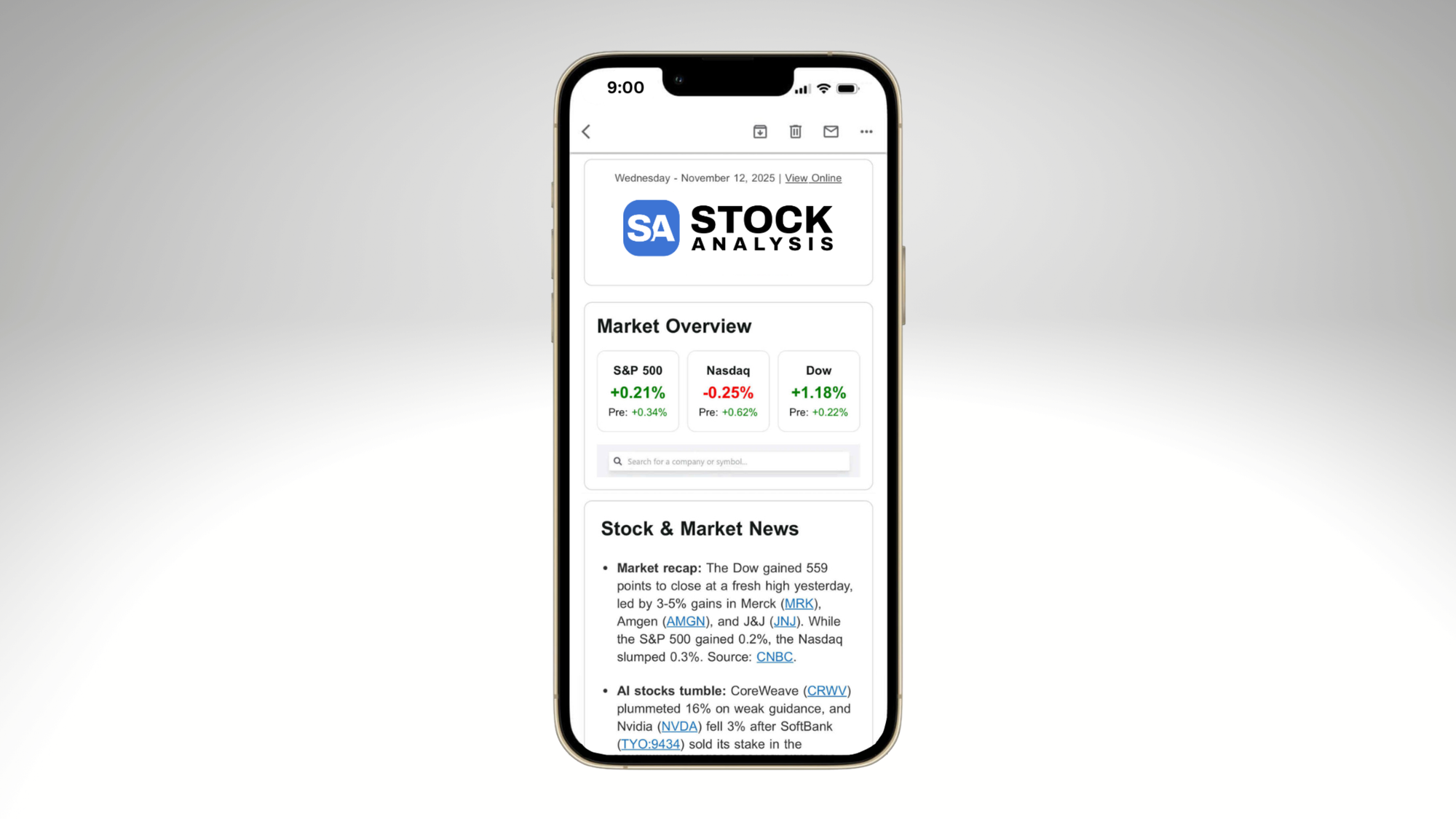
The 2-Minute Morning Brief
Market Bullets delivers everything you need to know before markets open:
- Quick market overview in scannable bullet points
- Top market-moving news filtered from high-quality sources only
- Major earnings and IPOs without the clickbait noise
It's the fastest way to stay current without drowning in financial news.
Markets are still reacting to what’s visible.
But the more important signals are forming underneath—across energy, inflation, and capital flows.
And those are the shifts that tend to matter most over time.