The Market Feels Calm — But It’s Not as Stable as It Looks

The next market crash isn't a matter of if.
It's when.
And when it hits, the strategy most investors are using right now will do exactly what it did in 2020, 2022, and every crash before that.
Nothing.
Buy and hold doesn't protect you. Diversification didn't save the 60/40 portfolio when it dropped 18% in 2022. And bonds? They fell right alongside stocks.
But while millions of investors were watching years of savings evaporate, a small group of investors were doing something different.
They followed a rules-based ETF signal that moved their money out before the damage hit — and back in at the bottom.
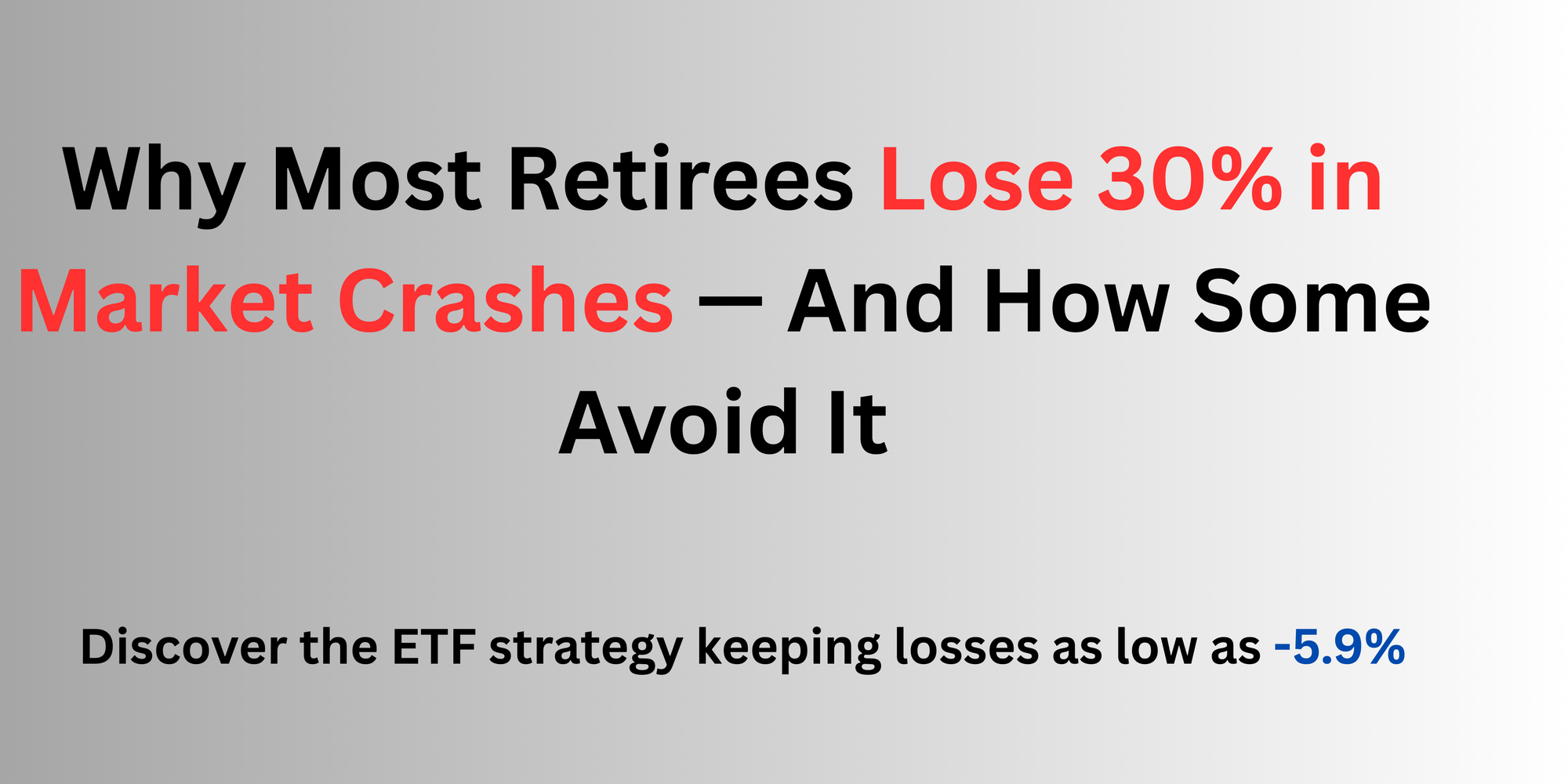
The result? A 19% gain while the market was down 30%.
Same crash. Completely different outcome.
You can see exactly how it works — and how to get the same signals — right here
— Chris Vermeulen
P.S. This isn't a prediction service. It's a system that responds to what the market is actually doing — not what anyone thinks it will do.
The Illusion of Stability
Markets don’t usually signal risk in obvious ways.
I understand why the current environment feels relatively stable. Equity indices have held up, volatility has cooled compared to prior spikes, and the broader narrative suggests that the worst may already be behind us.
You’re not alone in thinking that.
But stability in markets is often a surface-level condition. Beneath it, the structure can be shifting in ways that don’t immediately show up in prices.
What the Data Is Actually Showing
As of April 2026, several underlying pressures remain firmly in place.
The Federal Reserve continues to hold rates at restrictive levels as inflation remains above its long-term target. While price growth has slowed from peak levels, core inflation is still persistent enough to delay any aggressive easing cycle.
At the same time, U.S. fiscal conditions are tightening the backdrop. With national debt exceeding $36 trillion, interest costs are becoming a larger share of federal spending, according to the U.S. Department of the Treasury.
That combination—tight policy and rising fiscal pressure—creates a more fragile environment than headline indices suggest.
Why the Old Playbook Is Under Pressure
For decades, diversification across stocks and bonds was considered a reliable way to manage risk.
But recent history has challenged that assumption.
In 2022, both asset classes declined together as rising rates repriced valuations across the board. Bonds, which were expected to act as a stabilizer, instead amplified the drawdown.
That wasn’t an isolated anomaly.
It reflected a regime shift, where inflation and interest rates became dominant drivers again.
When that happens, correlations change.
And when correlations change, traditional strategies don’t behave the way investors expect.
Volatility Doesn’t Announce Itself in Advance
One of the more difficult aspects of market cycles is timing.
By the time volatility becomes obvious, a large portion of the move has already occurred.
We’ve seen early signs of this dynamic in recent years. Sudden repricing events—whether driven by policy shifts, geopolitical developments, or liquidity shocks—tend to happen quickly, often catching investors off guard.
Data from the CBOE shows that volatility spikes still emerge in sharp bursts, even during otherwise calm periods.
That’s part of what makes the current environment challenging.
It doesn’t feel unstable—until it does.
What’s Changing Beneath the Surface
Capital isn’t standing still.
There has been a gradual shift toward more flexible and adaptive strategies, particularly those that respond to changing market conditions rather than relying on static allocations.
Large asset managers such as BlackRock have increasingly emphasized dynamic allocation and risk management in recent commentary, reflecting a broader industry shift.
This isn’t about abandoning long-term investing.
It’s about recognizing that the path is no longer as smooth as it once appeared.
Why Process Matters More Than Prediction
I understand the instinct to look for forecasts.
You’re not alone in wanting clarity about what comes next.
But markets don’t reward certainty—they reward preparation.
The difference between investors who navigate drawdowns effectively and those who don’t often comes down to one thing: process.
Not predicting the next move.
But having a framework that responds when conditions change.